
Why Does Your Upper Back Hurt?
Upper back pain can make it difficult to work, drive, exercise, or simply get comfortable throughout the day. The good news is that many cases of upper back pain can be treated without surgery when the underlying cause is properly identified.
Select the situation below that sounds most like yours to learn how physical therapy may help.
Learn How Physical Therapy Helps
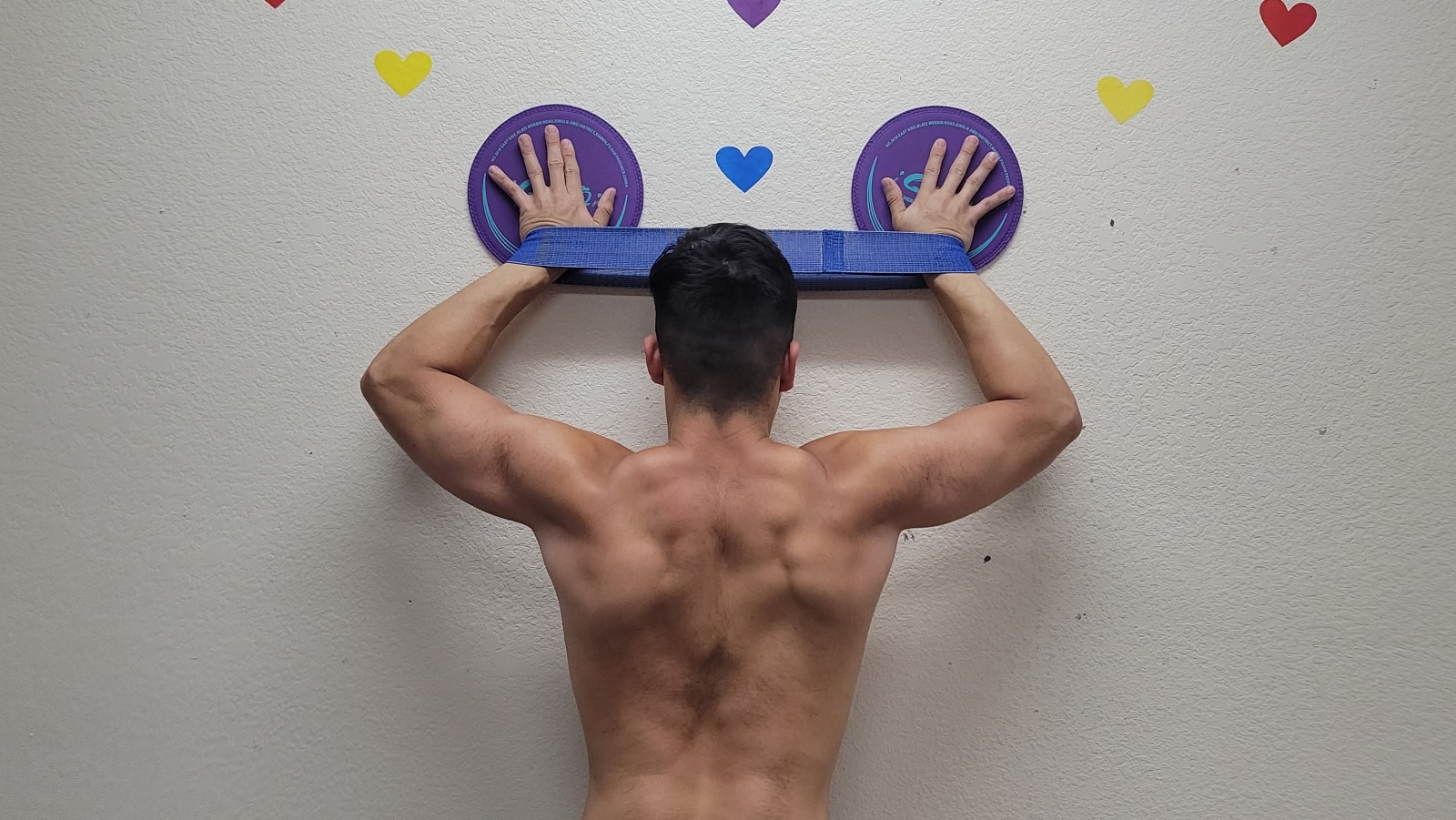
Targeted posture and strengthening exercises can help reduce upper back pain and improve shoulder mechanics.
Upper Back Pain From Desk Work
If your upper back hurts after a day at the computer, you're not alone. Many people develop pain between the shoulder blades, neck tightness, headaches, or muscle fatigue from spending hours sitting at a desk. Even a well-designed workstation can place stress on the upper back when the body remains in the same position for long periods.
Over time, prolonged sitting may contribute to rounded shoulders, forward head posture, reduced mobility through the upper back, and muscle imbalances that make everyday activities uncomfortable. What often begins as occasional stiffness can gradually turn into persistent pain that affects work, sleep, exercise, and overall quality of life.
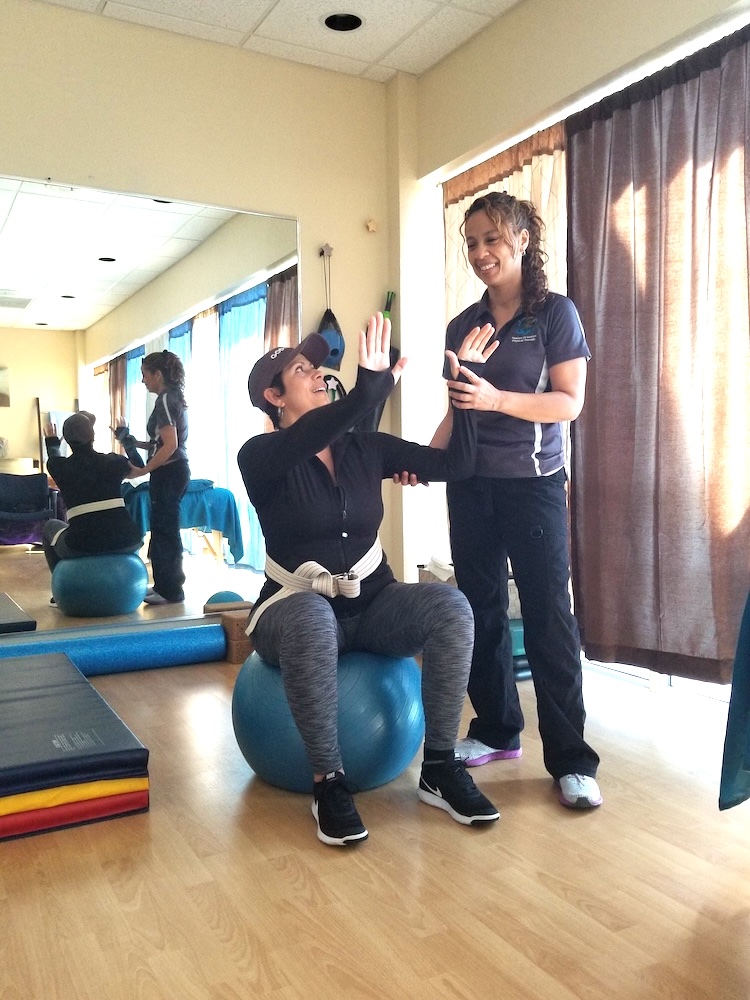
Common Symptoms We See
- Pain or burning between the shoulder blades
- Neck and shoulder tightness that worsens throughout the day
- Headaches associated with posture or muscle tension
- Stiffness after sitting for extended periods
- Pain that improves with movement but returns when sitting again
- Difficulty maintaining good posture at a desk or workstation
How Physical Therapy Can Help
At Healers of Motion Physical Therapy, Dr. Evelyn Mora begins by identifying movement patterns, postural habits, mobility restrictions, and muscle imbalances that may be contributing to your symptoms. Rather than simply treating the pain, our goal is to understand why the pain developed in the first place.
Treatment may include hands-on therapy, targeted exercises, posture education, ergonomic recommendations, and movement strategies designed to reduce strain on the upper back throughout the workday. For many patients, addressing these underlying factors can provide lasting relief without relying on medication or surgery.
Sitting all day doesn't have to mean living with pain. If your symptoms are affecting your ability to work comfortably, schedule an evaluation to identify the source of your upper back pain and develop a personalized treatment plan.
Upper Back Pain Between The Shoulder Blades
Pain between the shoulder blades is one of the most common reasons people seek physical therapy for upper back discomfort. It may feel like a dull ache, burning sensation, tight knot, or persistent stiffness that makes it difficult to sit comfortably, work at a computer, drive, or enjoy everyday activities.
In many cases, pain between the shoulder blades develops gradually due to posture, repetitive movements, muscle imbalances, or reduced mobility through the thoracic spine. For others, symptoms may begin after an injury, increased physical activity, or compensation for pain elsewhere in the neck, shoulders, or back.
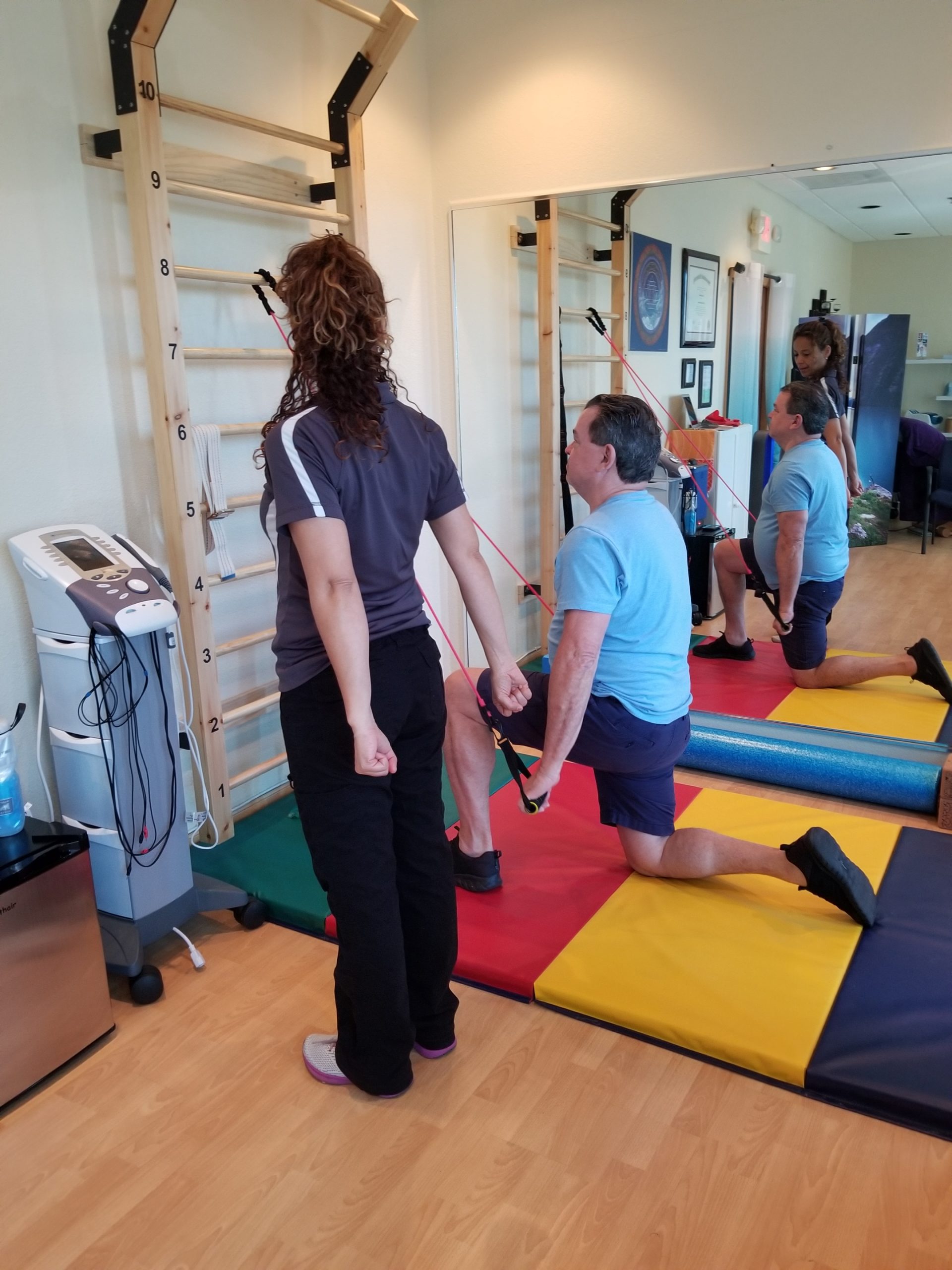
Physical therapy exercises can help improve shoulder blade mechanics, posture, and upper back function.
Common Symptoms We See
- Burning or aching between the shoulder blades
- Tight knots in the upper back muscles
- Pain that worsens with desk work or prolonged sitting
- Stiffness when twisting, turning, or reaching overhead
- Neck and shoulder tension that accompanies upper back pain
- Discomfort during driving, travel, or repetitive activities
How Physical Therapy Can Help
At Healers of Motion Physical Therapy, Dr. Evelyn Mora evaluates how your shoulder blades, upper back, neck, and surrounding muscles work together during movement. Pain between the shoulder blades is often related to mobility restrictions, muscular weakness, poor movement patterns, or postural stress that develops over time.
Treatment may include hands-on therapy, targeted exercises, posture training, mobility work, and strengthening programs designed to restore proper shoulder blade function and reduce strain on the upper back. Our goal is to address the source of the problem so you can move more comfortably and confidently.
Pain between the shoulder blades is often a sign that the body is compensating for movement restrictions or muscular imbalances. A personalized physical therapy evaluation can help identify the cause and create a plan for lasting relief.
Upper Back Pain From Poor Posture
Most people know when their posture is part of the problem. You may catch yourself slouching at a desk, rounding your shoulders, leaning forward toward a screen, or feeling stiff after sitting too long. The hard part is knowing how to correct it in a way that actually lasts.
Upper back pain from poor posture is not usually about simply being told to “sit up straight.” Posture is affected by strength, mobility, breathing patterns, habits, muscle fatigue, and the way your body moves throughout the day. When these factors are not working together well, the upper back can become overloaded and painful.
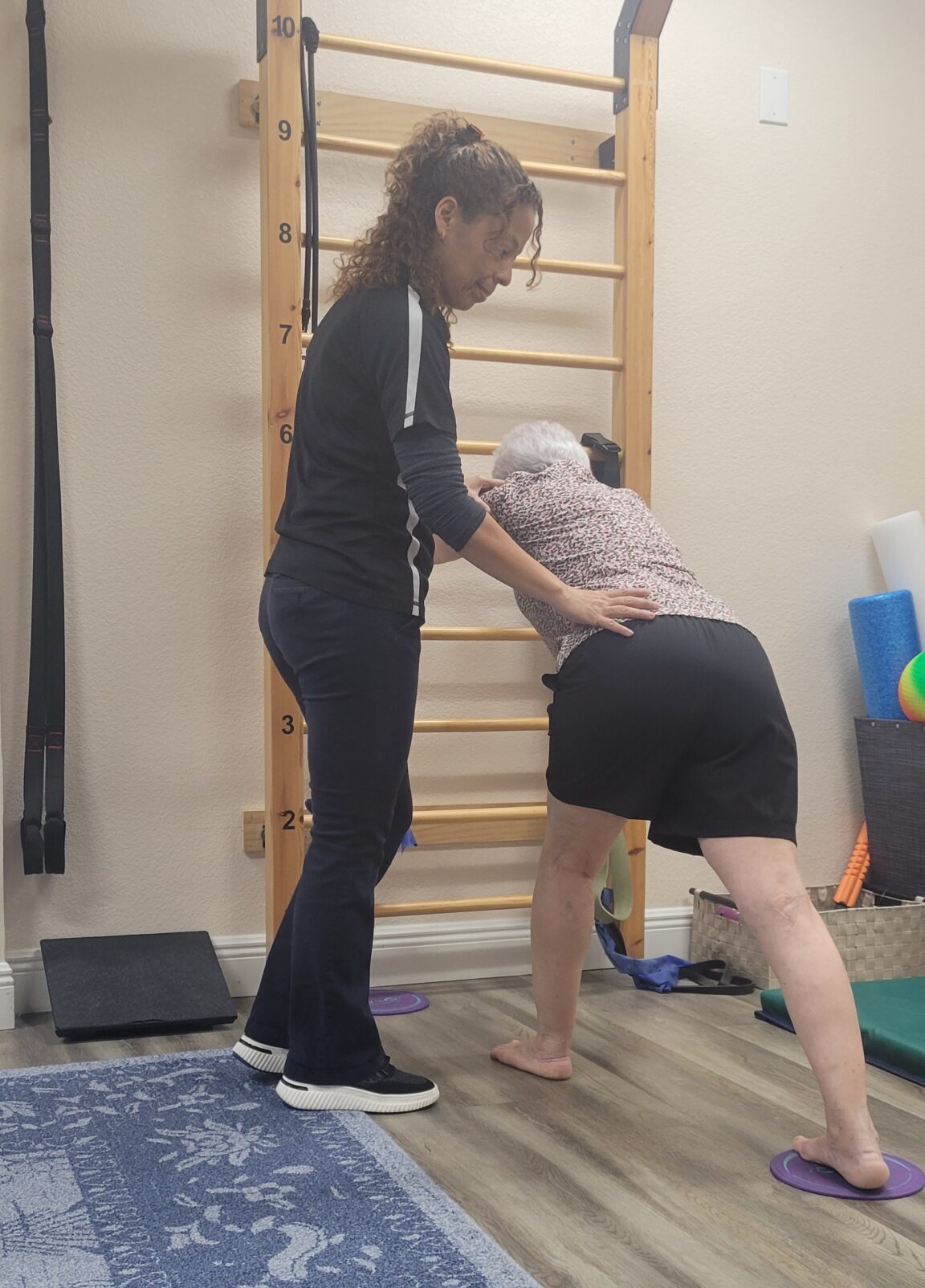
Physical therapy can help improve posture, balance, and movement patterns that contribute to upper back pain.
Common Symptoms We See
- Upper back pain that worsens after sitting or standing for long periods
- Rounded shoulders or forward head posture
- Neck, shoulder, or upper back tension
- Pain between the shoulder blades
- Fatigue from trying to “hold” better posture
- Stiffness that returns even after stretching
How Physical Therapy Can Help
At Healers of Motion Physical Therapy, Dr. Evelyn Mora helps patients understand why their posture has become difficult to maintain. Instead of only focusing on how posture looks, she evaluates how your spine, shoulders, hips, muscles, and movement patterns work together.
Treatment may include mobility work, strengthening exercises, posture retraining, breathing mechanics, balance work, and hands-on therapy when needed. The goal is to help your body support better posture naturally, so you are not constantly forcing yourself into a position that feels uncomfortable.
Better posture is not about perfection. It is about helping your body move, support itself, and recover more comfortably throughout the day.
Upper Back Pain From Injury Or Active Movement
Maybe your pain started after lifting something heavy. Maybe it happened during a workout, a round of golf, pickleball, swimming, or a weekend project around the house. Sometimes upper back pain appears suddenly after an injury, while other times it develops gradually from repetitive movement and overuse.
The upper back plays an important role in almost every movement involving the shoulders, arms, and spine. When muscles become strained, joints lose mobility, or movement patterns become restricted, everyday activities can become painful and frustrating. Many people find themselves avoiding exercise, sports, or hobbies they enjoy because they are worried about making the pain worse.
Common Symptoms We See
- Pain between the shoulder blades during activity
- Sharp pain after lifting, twisting, or reaching
- Muscle tightness or spasms in the upper back
- Pain during golf, pickleball, swimming, tennis, or gym workouts
- Difficulty turning, rotating, or extending the upper spine
- Discomfort that limits exercise, sports, or recreational activities
How Physical Therapy Can Help
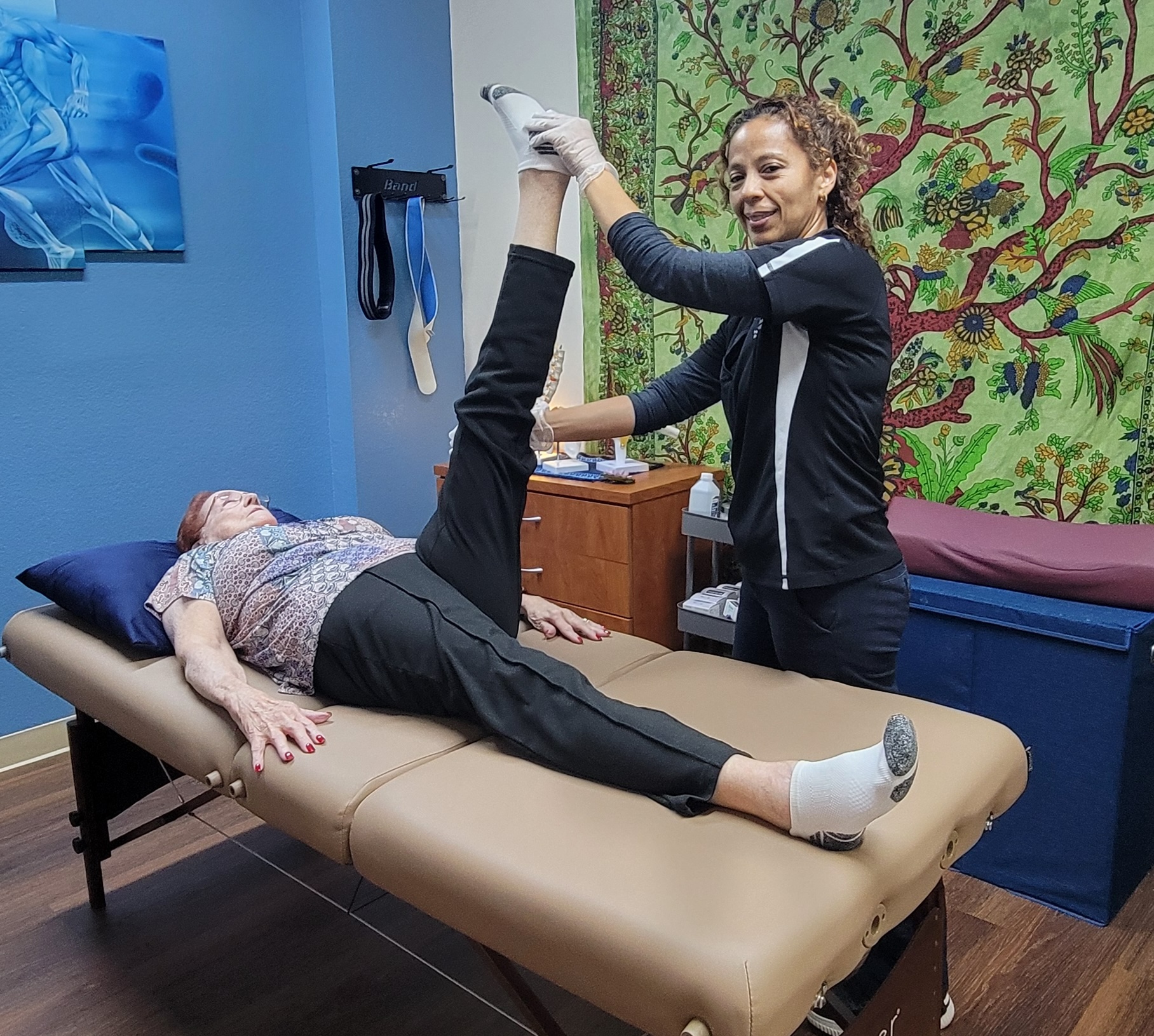
At Healers of Motion Physical Therapy, Dr. Evelyn Mora begins by identifying what structures and movement patterns may be contributing to your symptoms. Rather than simply treating the area that hurts, she evaluates how your entire body moves to uncover the root cause of the problem.
Treatment may include hands-on manual therapy, mobility exercises, strength training, movement correction, and sport-specific or activity-specific rehabilitation. The goal is not only to reduce pain but to help you return confidently to the activities you enjoy.
You don't have to stop doing the things you love because of upper back pain. With the right evaluation and treatment plan, many patients are able to return to exercise, sports, and everyday activities with greater comfort and confidence.
How Physical Therapy Can Help
At Healers of Motion Physical Therapy, Dr. Evelyn Mora begins by identifying what structures and movement patterns may be contributing to your symptoms. Rather than simply treating the area that hurts, she evaluates how your entire body moves to uncover the root cause of the problem.
Treatment may include hands-on manual therapy, mobility exercises, strength training, movement correction, and sport-specific or activity-specific rehabilitation. If your pain developed after a procedure or period of recovery, our post-surgical physical therapy program can help restore mobility, rebuild strength, and support a safe return to normal activities. The goal is not only to reduce pain but to help you return confidently to the activities you enjoy.