
Physical Therapy After Total Knee Replacement in Pembroke Pines, FL
Knee replacement surgery may repair the joint, but rehabilitation is what helps you rebuild movement, strength, confidence, and independence. At Healers of Motion Physical Therapy, Dr. Evelyn Mora provides individualized care designed around each stage of your recovery.
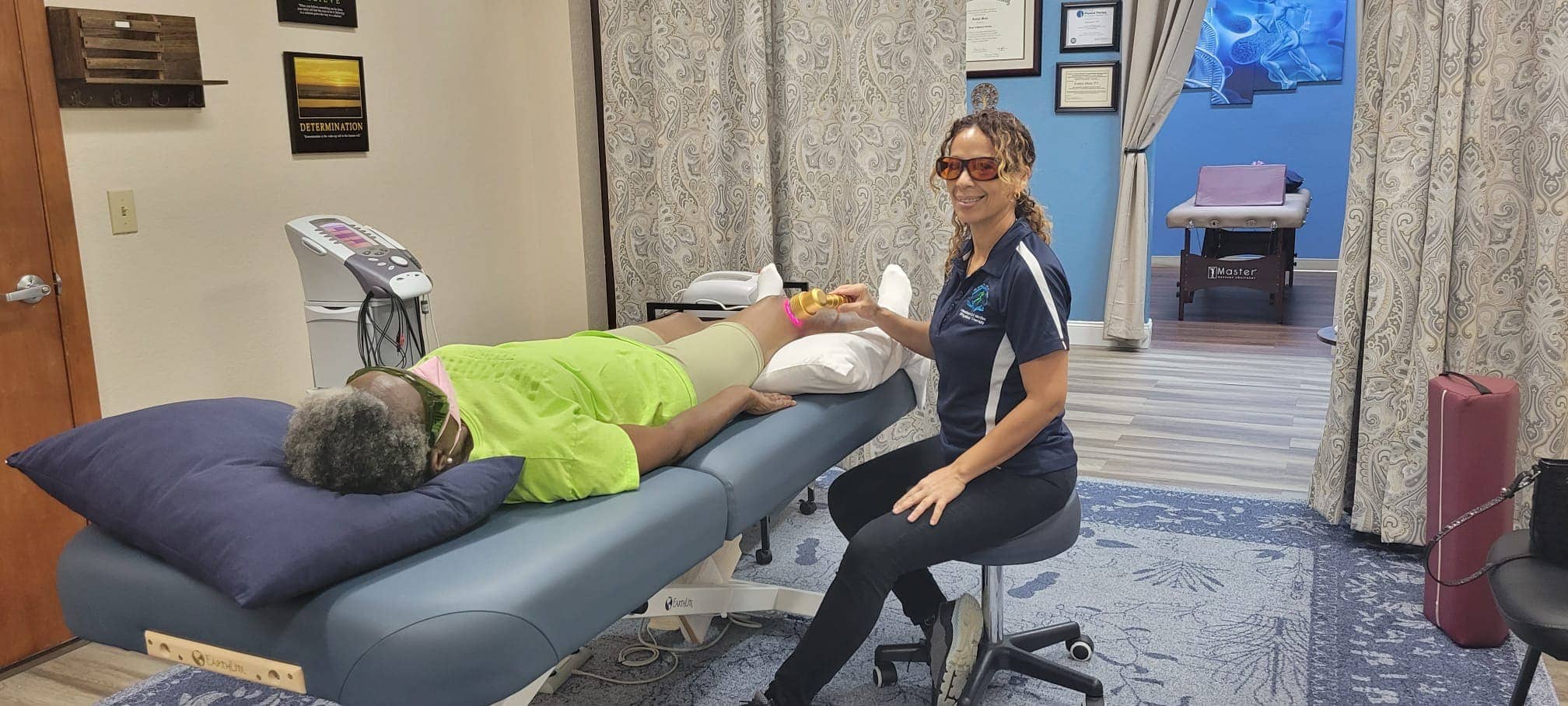
Recovering From Knee Replacement Is a Journey
Total knee replacement can be life-changing for people whose knee pain and joint damage have made walking, stairs, exercise, or everyday activities increasingly difficult. But surgery is only the beginning of the recovery process.
Physical therapy after knee replacement focuses on helping you restore knee motion, rebuild strength, improve walking mechanics, manage post-operative swelling, and gradually return to the activities that matter most to you.
Dr. Mora’s approach is patient-centered. Your recovery is guided by your surgeon’s recommendations, your individual healing response, and your functional goals.
Learn more about knee replacement surgery from Mayo Clinic.
Five Priorities After Total Knee Replacement
Recovery does not happen all at once. Physical therapy progresses gradually as your knee heals and your ability to move improves.
Manage Pain & Swelling
Early care focuses on comfort, circulation, appropriate movement, and strategies that help control post-operative swelling.
Restore Knee Motion
Regaining the ability to straighten and bend the knee is an important part of returning to walking, sitting, stairs, and everyday movement.
Rebuild Strength
The quadriceps and surrounding muscles often lose strength after surgery. Progressive exercise helps restore support around the knee.
Improve Walking & Balance
Therapy helps address altered gait and compensatory movement patterns that can develop during recovery.
Return to Daily Life
As mobility and strength improve, rehabilitation shifts toward stairs, household activities, recreational movement, and greater independence.
The First Days After Knee Replacement
Most patients begin moving soon after surgery under the direction of their medical team. The earliest stage of recovery is focused on protecting the surgical area while safely beginning movement and preventing unnecessary stiffness.
Early rehabilitation may include:
- Safe transfers and walking with an assistive device when needed
- Gentle knee bending and straightening within surgical guidelines
- Quadriceps activation and basic lower-extremity exercises
- Education on positioning, activity pacing, and home movement
- Strategies to help manage pain and swelling
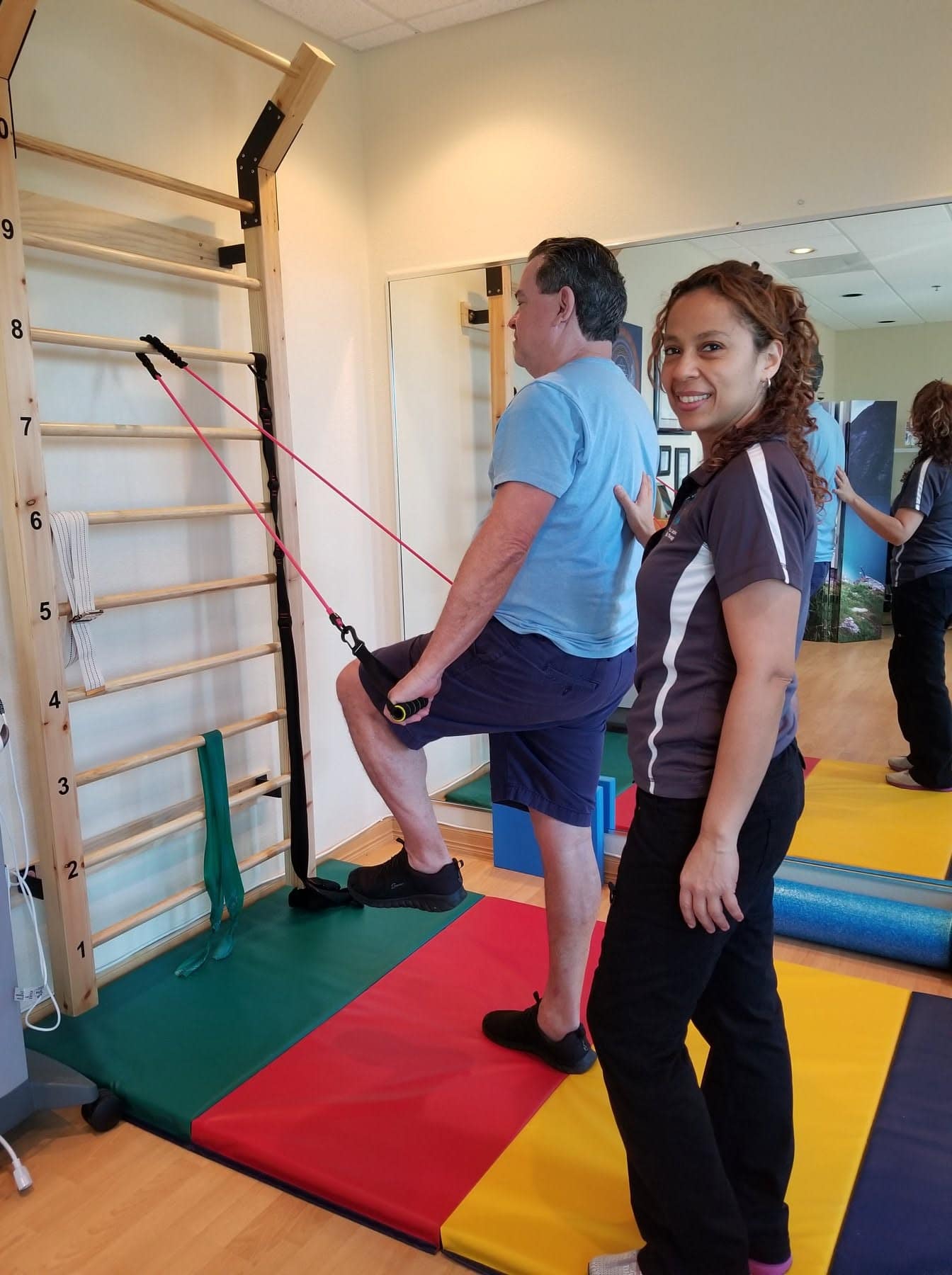
Restoring Motion, Strength, and Walking Confidence
Knee replacement recovery is about more than simply exercising the new joint. Your therapist evaluates how the knee, hip, ankle, and surrounding muscles work together during real movement.
Treatment may include progressive strengthening, balance training, gait retraining, hands-on techniques, movement education, and functional exercises tailored to your current abilities.
Why movement quality matters
It is common to favor one leg or change the way you walk after surgery. These compensations can place unnecessary stress on other parts of the body. Rehabilitation helps you gradually restore more efficient, confident movement.
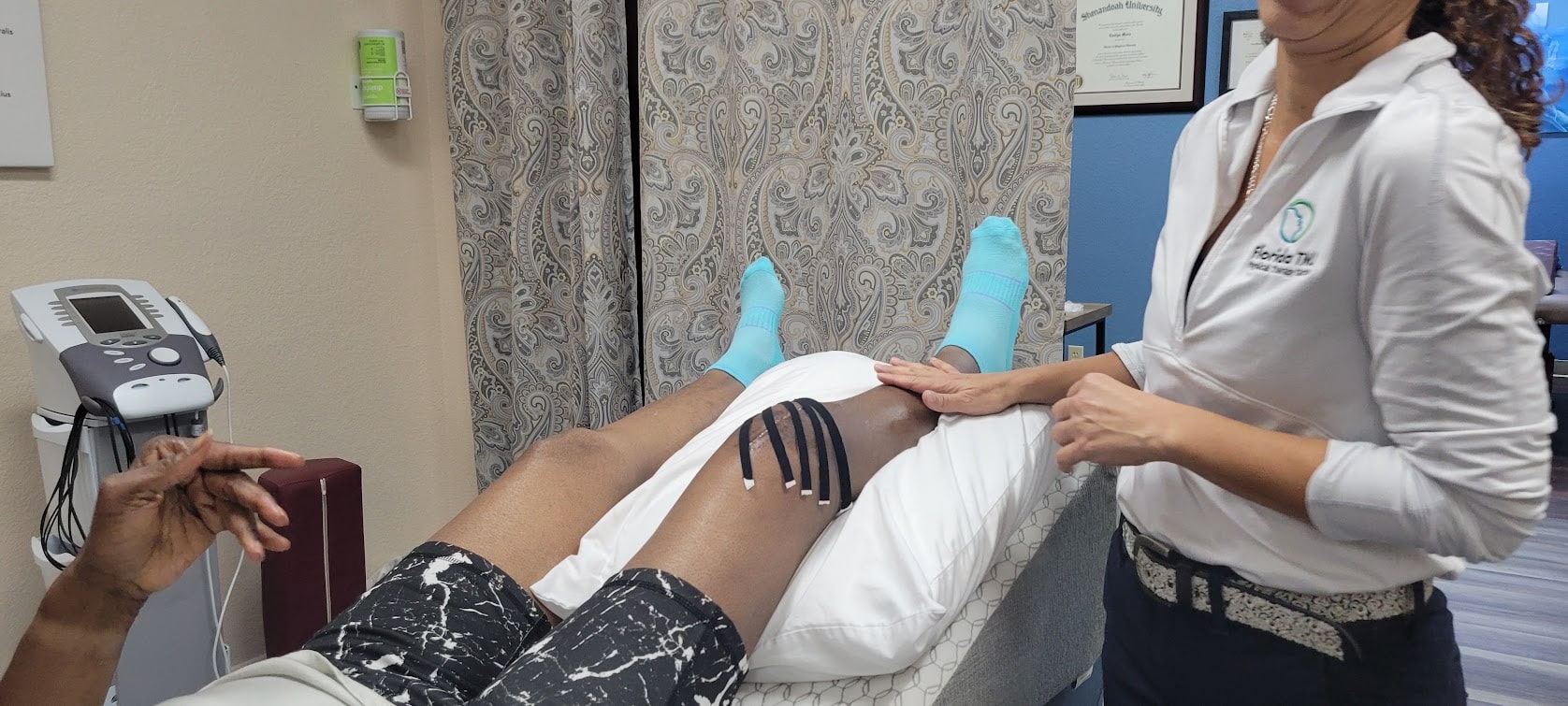
Managing Swelling After Knee Replacement
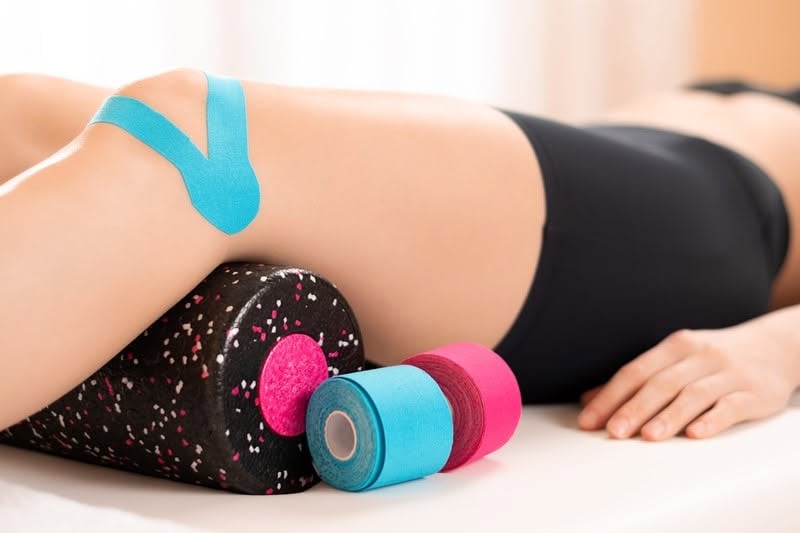
Swelling is common after knee replacement and may contribute to stiffness, discomfort, and difficulty activating the muscles around the joint. Your physical therapist can assess how swelling is affecting movement and incorporate appropriate strategies into your rehabilitation plan.
Healers of Motion also has extensive experience in lymphatic care. When clinically appropriate, swelling-management techniques may be incorporated as part of an individualized treatment approach. Manual lymphatic drainage is not automatically indicated for every knee replacement patient and should be based on clinical assessment and medical guidance.
Learn more about Manual Lymphatic Drainage Therapy in Pembroke Pines .
What Knee Replacement Recovery May Look Like
No two recoveries are identical. These stages are general examples rather than fixed deadlines. Your progress depends on your health, procedure, surgeon’s guidance, and individual response to rehabilitation.
Protect & Move
Focus on swelling control, safe walking, knee motion, muscle activation, and basic daily activities.
Strength & Stability
Exercises progress as the knee tolerates more movement and loading.
Walking & Stairs
Rehabilitation increasingly targets balance, gait, stairs, and everyday movement demands.
Return to Life
The goal becomes greater independence and a safe return to meaningful activities.
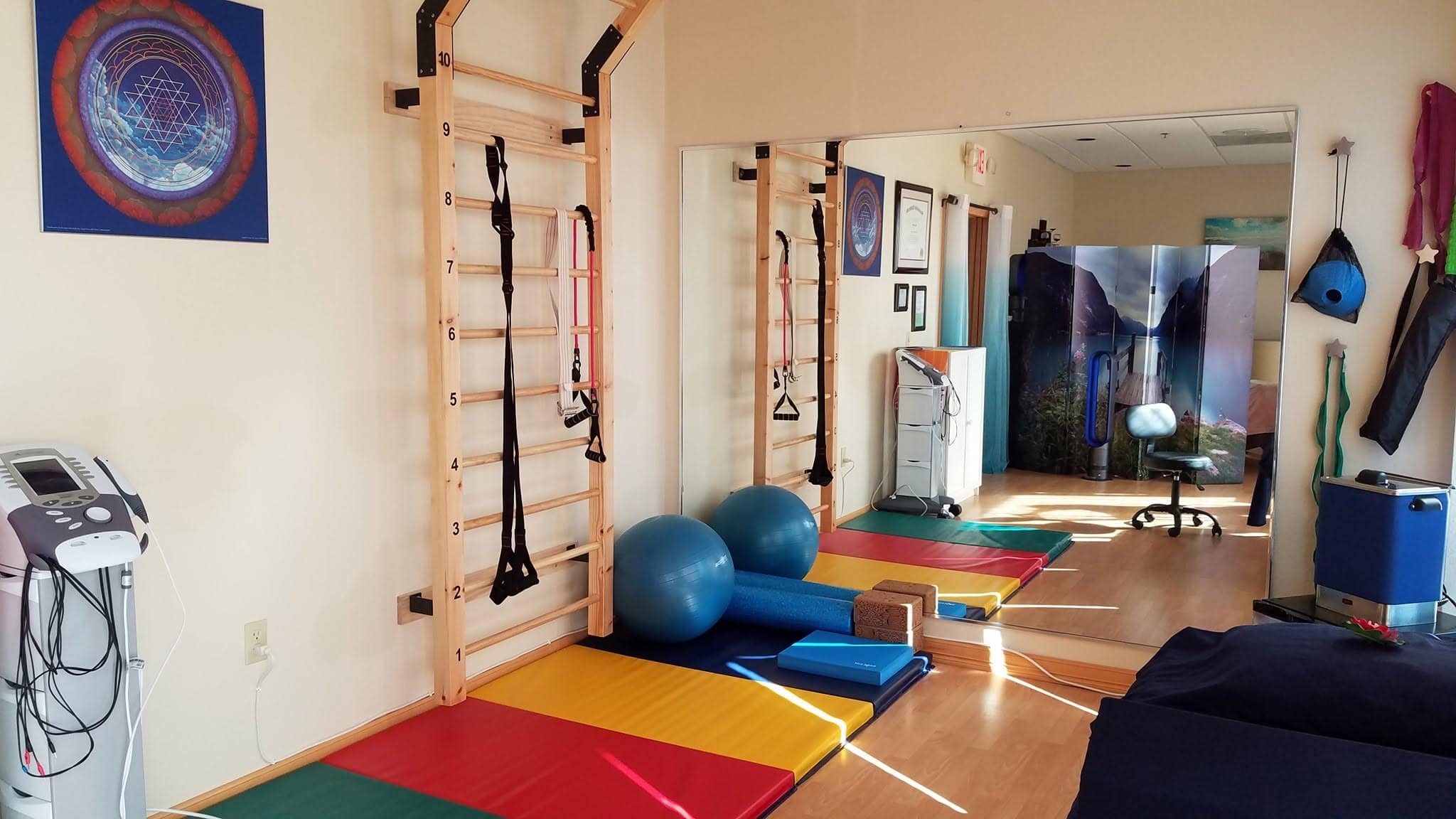
Your First Knee Replacement Physical Therapy Visit
Your first visit begins with an evaluation of where you are in the recovery process. Dr. Mora may assess knee motion, swelling, strength, walking, balance, functional mobility, and the activities you are currently finding difficult.
Your goals matter too. For one patient, success may mean confidently climbing stairs. For another, it may mean returning to gardening, travel, exercise, or simply walking without fear.
From there, your treatment plan can be adjusted as your knee heals and your function improves.
Contact Healers of Motion
Care Guided by Dr. Evelyn Mora, DPT
Dr. Evelyn Mora is a Doctor of Physical Therapy with extensive experience helping patients recover from orthopedic procedures and mobility limitations. Her approach emphasizes individualized care, careful progression, movement quality, and clear communication throughout the rehabilitation process.
Rather than following the same protocol for every patient, treatment is adapted to your current function, surgical precautions, symptoms, and personal goals.
Post-Surgical Physical Therapy in Pembroke Pines
Knee replacement rehabilitation is one part of Healers of Motion’s broader approach to recovery after orthopedic surgery. Patients may also receive rehabilitation after hip replacement, rotator cuff repair, ligament reconstruction, spine procedures, and other surgeries.
Learn more about Physical Therapy for Surgical Recovery .
Related Post-Surgical Rehabilitation Resources
These educational resources explain how physical therapy supports recovery across different orthopedic procedures.
How Rehabilitation Supports Recovery After Surgery
Learn how mobility, strength, and progressive exercise fit into post-surgical rehabilitation.
Read the article →What to Expect From Post-Surgical Physical Therapy
Explore the general stages of rehabilitation and how care changes as healing progresses.
Read the article →Comprehensive Post-Surgical Physical Therapy
Learn more about Healers of Motion’s broader approach to orthopedic recovery.
Explore post-surgical care →Knee Replacement Rehabilitation FAQs
Is physical therapy usually recommended after knee replacement?
Physical therapy is commonly part of total knee replacement recovery, although the timing, frequency, and specific plan depend on your surgeon’s recommendations and individual needs.
When does physical therapy begin after total knee replacement?
Many patients begin moving shortly after surgery and transition into structured rehabilitation based on medical guidance. Your surgeon and physical therapist can determine the appropriate progression.
What does physical therapy after knee replacement focus on?
Common priorities include knee range of motion, muscle strength, walking mechanics, balance, swelling management, functional mobility, and returning to everyday activities.
Can physical therapy help with stiffness weeks after surgery?
Stiffness can occur during knee replacement recovery. A physical therapist can evaluate your movement and determine which mobility, strengthening, and functional strategies are appropriate at your stage of healing.
How long does knee replacement physical therapy last?
There is no single timeline for every patient. The duration of therapy depends on healing, mobility, strength, functional goals, surgeon recommendations, and individual progress.
What should I bring to my first physical therapy visit?
Bring any relevant surgical instructions or precautions, your medication and medical information if requested, and comfortable clothing that allows your therapist to evaluate movement around the knee.
Ready to Take the Next Step in Your Recovery?
Whether you are preparing for knee replacement surgery or already working through recovery, Healers of Motion Physical Therapy can help you build a rehabilitation plan around your mobility, strength, and everyday goals.