Most people leave a lymphatic massage expecting to feel lighter and looser, so it catches them off guard when the rest of the day brings tiredness, extra trips to the bathroom, or a treated area that looks slightly puffier than it did that morning. The common assumption is that something went wrong. Usually nothing did. A degree of fatigue, thirst, and shifting fluid is simply your body finishing the work the session started. The opposite assumption is just as common and a little riskier: because the technique is so gentle, some people decide nothing could possibly go wrong afterward and stop paying attention entirely. Knowing which reactions are expected, and which ones deserve a phone call, is what keeps your recovery moving in the right direction.
TL;DR: Mild fatigue, increased urination, brief lightheadedness, and slight tenderness are common in the day after a lymphatic massage and typically settle on their own. Redness with warmth or fever, new one-sided leg swelling, or chest pain and shortness of breath are not expected reactions and warrant prompt medical attention. In the meantime, skip strenuous exercise, alcohol, heavy salt, and hot tubs, but keep moving gently and keep wearing any compression your therapist prescribed. Learn more about manual lymphatic drainage in Pembroke Pines.
What Happens in Your Body After a Lymphatic Massage
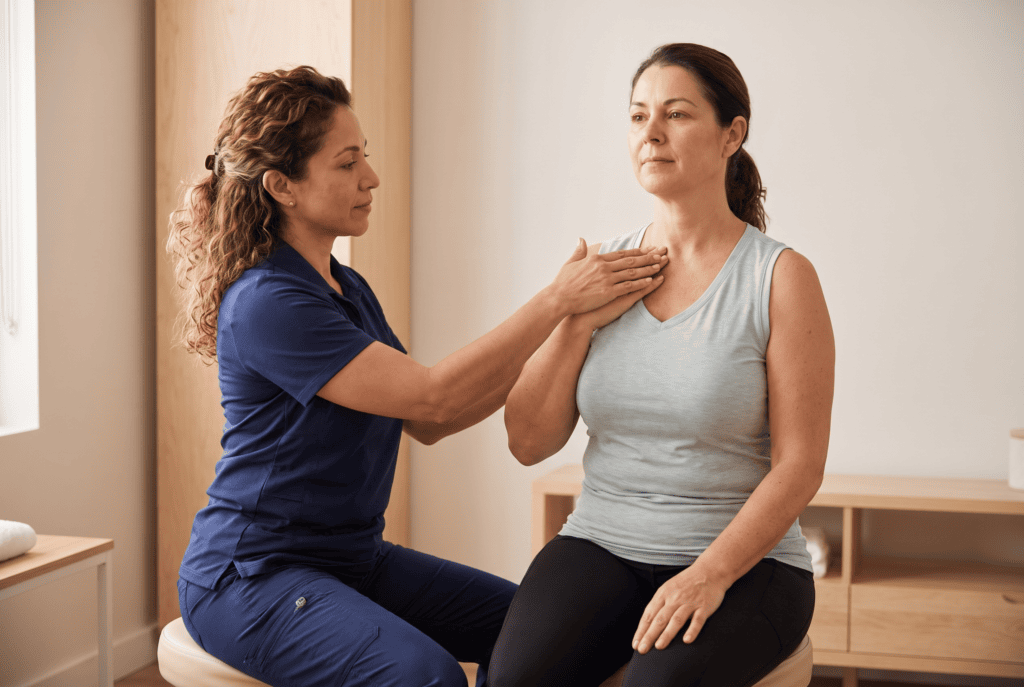
A lymphatic massage does not stop working when the session ends. The technique increases how frequently lymphatic vessels contract, so fluid keeps moving toward functioning lymph nodes for hours afterward. Your kidneys filter and process that redirected fluid, which explains why increased urination, mild fatigue, and a changed feeling in the treated area are all common.
At Healers of Motion Physical Therapy in Pembroke Pines, Dr. Evelyn Mora, DPT, performs manual lymphatic drainage using the Leduc Method, a structured, physiology-based sequence rather than a general relaxation routine. Treatment starts with the Call-Up Phase: light rhythmic strokes near the collarbone, underarm, or trunk that stimulate healthy, functioning lymph nodes and open the pathways fluid will travel through. The Reabsorption Phase then clears fluid out of the congested area and redirects it toward those now-active pathways.
That order matters. Clearing a swollen limb before the drainage route upstream is open is like opening a valve into a closed pipe. Because the session sets a fluid load in motion that your body keeps processing through the evening, most of the lymph massage side effects described below are the predictable downstream result of that work, not a sign the technique was done incorrectly. Every session here is one-on-one with Dr. Mora, so pressure, pacing, and aftercare instructions are matched to your tissue and your stage of recovery rather than a standard script.
Lymphedema Therapy
Certified Lymphedema Care, Close to Home
Dr. Mora spent nine years at Memorial Hospital West working closely with lymphedema and oncology patients. Care here combines manual lymphatic drainage, compression, decongestive exercise, and education you can carry into daily life.
Common Lymph Massage Side Effects You Might Notice
The most frequently reported lymph massage side effects are mild and short-lived: increased urination and thirst, fatigue for the rest of the day, brief lightheadedness on standing, and slight tenderness at pressure points. These usually appear within a few hours of a lymphatic massage and resolve within a day or two without any treatment.
Here is what patients most often describe:
- Increased urination and thirst, as your kidneys handle the extra fluid volume redirected out of the treated tissue
- Mild fatigue or a heavy, “washed out” feeling, similar to how you might feel the evening after a good workout
- Slight bruising or tenderness at points of contact, more noticeable in tissue already healing from surgery or radiation
- Brief lightheadedness when standing up quickly right after a session, tied to the fluid shift rather than anything more concerning
- Temporary fluctuation in how the treated area looks or feels while fluid redistributes over the following hours
None of these mean the technique was applied incorrectly. In tissue that has been holding fluid, they are often the first signal that fluid is finally moving. What separates a normal reaction from something that needs attention is covered next.
Can Lymph Drainage Make You Sick? Separating Normal Reactions From Warning Signs
Can lymph drainage make you sick? Generally, no. The technique is not designed to cause illness, and the tired, drained feeling some patients describe is a response to fluid processing rather than sickness. A small number of symptoms do fall outside that normal range, and those deserve a same-day call rather than a wait-and-see approach.
Contact your physical therapist or physician the same day if you notice:
- Redness, warmth, or fever in or near the treated area, which can point toward an infection such as cellulitis. This matters more, not less, if you are recovering from lymph node removal or managing lymphedema, because the treated area’s own lymphatic and immune defenses are already reduced.
- Sudden swelling in one leg, particularly alongside pain, warmth, or a firm feeling in the calf. That pattern is not a typical post-treatment reaction and can signal a deep vein thrombosis, which needs urgent evaluation.
- Chest pain or shortness of breath. These are emergency symptoms. Call 911 or go to the nearest emergency room rather than waiting for a callback.
- Swelling or pain that keeps getting worse over the day or two after your session instead of gradually easing.
- Skin breakdown or drainage from the treated area.
This list is not exhaustive, and none of these symptoms identify a specific condition on their own. What they have in common is that they sit well outside what a lymphatic massage is expected to produce.
| Sign | Usually a Normal Reaction | Reason to Call the Same Day |
| Fatigue | Mild, eases within 24 to 48 hours | Fatigue with fever or chills |
| Urination | Increased for several hours | Sharply reduced output with new swelling |
| Skin appearance | Slight tenderness or faint bruising at contact points | Spreading redness, warmth, or streaking |
| Swelling | Mild fluctuation as fluid redistributes | New, worsening, or one-sided swelling, especially in a leg |
| Breathing | Unchanged | Shortness of breath or chest pain (emergency care) |
| Temperature | Unchanged | Fever after a session |
What Not to Do After a Massage: Activities and Habits to Avoid
Most of what not to do after a massage of this kind comes down to one principle: avoid anything that dehydrates you or works against the fluid movement the session just encouraged. That is a shorter list than the generic aftercare advice circulating online suggests, and one item on those lists is often flatly wrong for lymphedema and post-surgical patients.
- Skip strenuous exercise, but do not avoid movement. Skeletal muscle contraction acts as a pump that helps push lymph fluid along the vessels, so a light walk later in the day can genuinely support what your session accomplished. Save heavy lifting or high-intensity training for tomorrow. Gentle movement is not the problem.
- Go easy on alcohol. It is dehydrating and pulls against the fluid balance your body is working to restore.
- Limit very salty or heavily processed food for the rest of the day, since excess sodium encourages the body to hold fluid rather than release it.
- Skip the sauna, hot tub, or a very hot shower right afterward. Heat widens blood vessels and can temporarily increase swelling in the treated area, which is the opposite of what the session was designed to support.
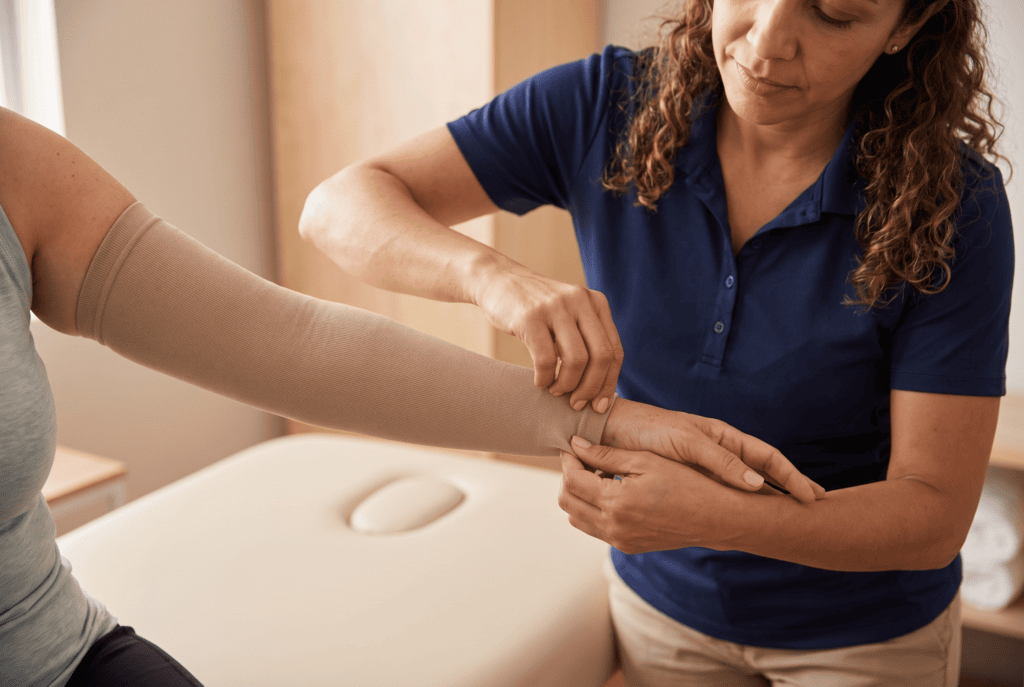
- Do not confuse a prescribed compression garment with “tight clothing to avoid.” Almost every aftercare list online says to avoid tight clothing, and for a compression sleeve, garment, or bandage fitted as part of your plan, that advice is backwards. Keep wearing it exactly as directed. What should be limited is everyday restrictive clothing: tight waistbands, underwire, non-prescribed shapewear.
- Do not skip your self-MLD routine or home exercises if they are part of your plan. Consistency between visits is a large part of what makes the in-clinic work hold.
There is also a real difference in aftercare stakes depending on why you came in. A general wellness lymphatic massage and a clinical drainage session performed as part of post-surgical, oncology, or lymphedema care carry different risk profiles, because the treated area’s immune defenses are not the same in both cases. The mild redness that is a non-issue for one person is a same-day call for the other. [verify PAA/FAQ phrasing]
When to Contact Your Physical Therapist
If you are unsure whether something you are feeling after a lymphatic massage is expected, calling is always the right move, particularly if you are being treated for lymphedema or recovering from surgery. A two-minute phone call costs nothing and occasionally catches something early.
Reach out if you notice any of the warning signs above, if swelling is not gradually improving across a few sessions, if a compression garment starts fitting differently than it did, or if you have a question about your home program. Because care here is delivered directly by a Doctor of Physical Therapy rather than handed off to aides between visits, Dr. Mora already knows your tissue and your history, which makes it much faster to tell whether what you are describing fits the expected pattern or sits outside it.
You can reach our Pembroke Pines office at 954-861-0252 with aftercare questions between visits. For patients managing ongoing swelling rather than a single post-operative episode, our lymphedema therapy in Pembroke Pines page covers long-term management, and if your session followed a cosmetic procedure, our guide to lymphatic drainage massage after cosmetic surgery addresses that recovery specifically.
Knowing what to avoid after a lymphatic massage is less about a long list of prohibitions than about understanding what your body is doing for the rest of the day. Stay hydrated, keep moving gently, keep your compression on as prescribed, skip the heat and the hard workout, and watch for the short list of symptoms that genuinely warrant a call. Everything else is your lymphatic system doing exactly what the session was designed to encourage.
Frequently Asked Questions
Most reactions, including mild fatigue, increased urination, and brief tenderness, resolve within 24 to 48 hours as your body finishes processing the fluid shift from your session. If a symptom lingers beyond that or worsens instead of easing, it is worth a call to your physical therapist rather than waiting it out.
Yes. Mild fatigue is one of the most commonly reported reactions and reflects the additional work your kidneys and lymphatic system are doing to process redirected fluid. Most patients describe it as similar to how they feel after moderate exercise, and it typically fades by the next morning.
Light bruising or tenderness at contact points can occur, particularly in tissue already healing from surgery, radiation, or lymph node removal. It is usually minor and fades within a few days without treatment. Bruising that spreads, deepens, or becomes painful should be mentioned to your physical therapist.
There is no single prescribed amount, but staying consistently hydrated through the rest of the day supports your kidneys as they process the increased fluid load. Plain water is the best choice. Alcohol and large amounts of caffeine work against that goal and are worth limiting until the next day.
Light activity such as walking is generally fine, and the muscle pump from gentle movement can actively support lymph flow. Strenuous training or heavy lifting is better saved for a full day later, so your body is not managing two competing demands on fluid balance at the same time.
Some fluctuation in how the treated area looks is expected while fluid redistributes toward healthy lymph nodes. New swelling that was not there before your session, swelling that keeps worsening, or one-sided leg swelling is not typical and should be evaluated promptly rather than monitored at home.
Requirements vary by insurance plan and by whether your care follows a surgery or an ongoing diagnosis, so the most reliable answer comes from a quick call to our office at 954-861-0252. We can tell you what your specific plan requires before you schedule.