Lymphedema Therapy & Manual Lymphatic Drainage
Specialized, oncology-focused lymphatic care — led by a certified Doctor of Physical Therapy with 25+ years of advanced clinical experience.
☎ Call 954-861-0252Lymphedema is a condition that causes swelling when lymph fluid builds up in the body's tissues. It commonly develops after cancer treatment, lymph node removal, or radiation, and can affect the arms, legs, or other areas of the body. Understanding the causes and symptoms is the first step toward managing it effectively.
For many patients, lymphedema is part of the recovery process following surgery or oncology treatment. Without proper care, fluid buildup can lead to discomfort, reduced mobility, and long-term complications. Early intervention and the right therapeutic approach can make a significant difference in outcomes.
This page explains how lymphedema develops, what symptoms to watch for, and how physical therapy can help manage the condition. If you are looking for treatment, learn more about our lymphedema therapy in Pembroke Pines.
As part of our broader commitment to physical therapy in Pembroke Pines, we integrate lymphatic care with orthopedic and movement-based rehabilitation when appropriate.
What Is Manual Lymphatic Drainage?
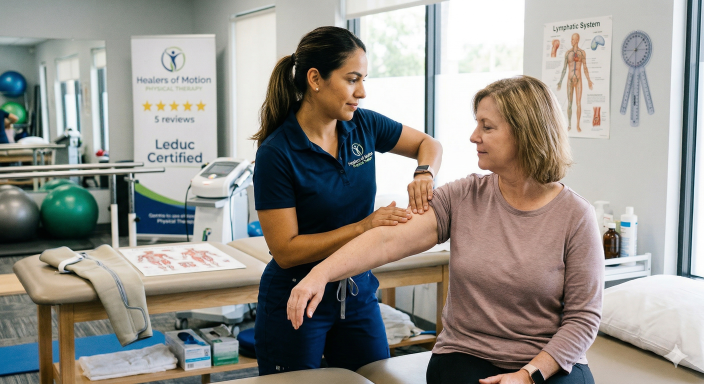
Manual lymphatic drainage (MLD) is a specialized hands-on technique that stimulates lymphatic flow and reduces tissue congestion. Unlike deep tissue massage, MLD uses gentle, rhythmic movements designed to guide fluid toward healthy lymphatic pathways.
Lymphedema most commonly develops after breast cancer treatment involving lymph node removal or radiation therapy, particularly affecting the arms, chest, and surrounding tissues.
Why does this matter?
Cancer treatment can disrupt lymphatic vessels. When that occurs, fluid accumulates and swelling develops. Manual lymphatic drainage Pembroke Pines services help redirect that fluid while supporting tissue health and mobility.
MLD forms a central component of comprehensive lymphedema therapy.
What Is Oncology-Related Lymphedema?
Oncology-related lymphedema develops when cancer treatment interferes with normal lymphatic drainage. It most often affects the upper extremity after:
- Mastectomy
- Lumpectomy
- Axillary lymph node dissection
- Sentinel node biopsy
- Radiation therapy
Patients may experience:
- Arm swelling
- Chest wall tightness
- Heaviness or fullness
- Reduced shoulder range of motion
Additionally, some individuals develop axillary web syndrome (cording), which restricts shoulder movement. Radiation fibrosis can further limit mobility and contribute to discomfort.
Our oncology rehabilitation Pembroke Pines approach addresses both lymphatic and musculoskeletal components.
Many patients begin oncology-related rehabilitation shortly after surgery, and our structured post-surgical physical therapy programs help guide safe mobility progression during early recovery.
Who Benefits from This Treatment?
Manual lymphatic drainage Pembroke Pines services may benefit individuals who:
- Completed breast cancer treatment
- Experience upper-extremity swelling
- Notice post-mastectomy tightness
- Develop radiation-related tissue restriction
- Are at risk for lymphedema progression
We primarily focus on oncology-related and upper-body cases. This specialization allows for targeted clinical strategies aligned with cancer recovery timelines and healing considerations.
Learn more about our structured manual lymphatic drainage approach and individualized treatment plans.
Manual Lymphatic Drainage ServiceHow Does Lymphedema Therapy Work?
Effective lymphedema therapy Pembroke Pines patients receive involves a structured, multi-step plan.
Comprehensive Evaluation
We assess swelling distribution, tissue quality, skin condition, and shoulder mechanics. This evaluation guides treatment intensity and progression.
Manual Lymphatic Drainage
Gentle, directional strokes stimulate lymphatic pathways and reduce congestion.
Therapeutic Exercise
Targeted exercises activate the muscle pump and improve shoulder mobility.
Education and Self-Management
We teach posture strategies, movement awareness, and safe activity progression.
Compression Guidance and Treatment
When clinically appropriate, we provide wrapping and guidance regarding garment use and monitoring.
cancer.gov — Lymphedema Information
What Makes Our Approach Different?
We emphasize oncology-focused care. Not all providers concentrate on cancer-related lymphedema. Our clinical approach integrates surgical timelines, radiation effects, and upper-quadrant biomechanics.
We prioritize structured one-on-one sessions. Each visit includes direct therapist interaction, hands-on assessment, and measurable progression.
We integrate orthopedic principles into lymphatic care. Shoulder mechanics, posture, and scapular stability often influence swelling patterns. Treatment addresses both fluid management and movement quality.